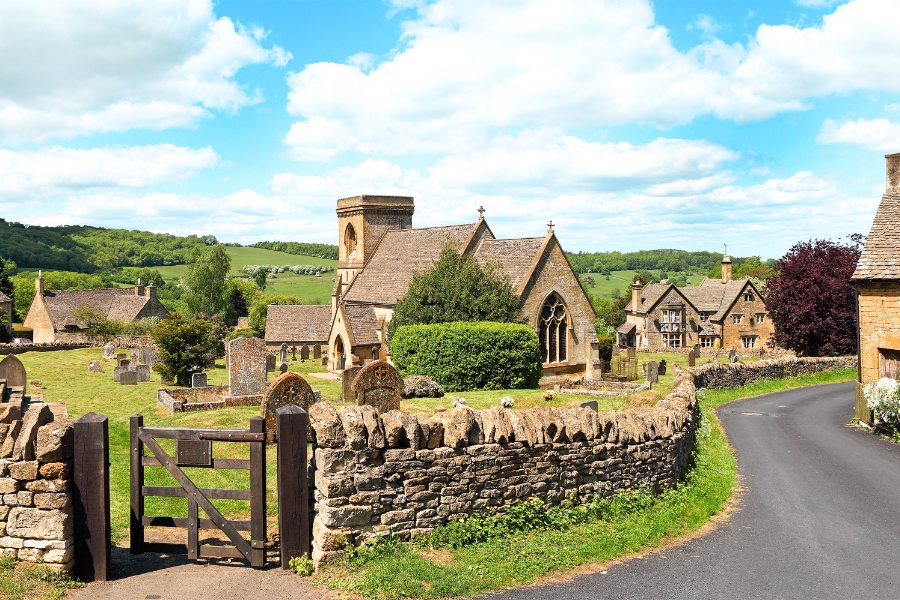
The Cotswolds is more than just a destination; it is the essence of the English countryside. Stretching across nearly 800 square miles of rolling limestone hills, ancient woodlands, and wildflower meadows, this region remains one of the United Kingdom’s most cherished and most beautiful landscapes.
From the honey-coloured stone facades of medieval market towns to the quiet, winding lanes that connect hidden hamlets, the region offers a tranquil escape from the frenetic pace of modern life. However, because this expansive territory encompasses parts of six different counties, navigating its charms requires strategic planning.
To truly unlock the magic of this region, you must explore the Cotswolds by car, as public transport is largely designed for local commuters rather than sightseers. Renting a vehicle enables you to reach the most picturesque rural corners inaccessible to those tethered to train stations and bus timetables.
Opting to explore the Cotswolds by car grants you the autonomy that the region demands. A private vehicle transforms a rigid itinerary into a fluid adventure, allowing you to bypass the crowded tour buses that descend upon hotspots like Bourton-on-the-Water and instead seek out the hushed serenity of the neighbouring valleys.
Relying on public transit in the Cotswolds is challenging due to the geographic spread of its attractions. While mainline train services connect regional hubs to London, these stations are often several miles away from the quintessential villages travellers dream of visiting. Once you arrive at a hub, local bus services have limited schedules, often running only a handful of times per day, and are rarely operational on Sundays or public holidays.
Furthermore, the joy of the Cotswolds is found in the journey itself; the narrow lanes often lead to breathtaking views, unexpected farm shops selling local cheeses, and architectural wonders that simply do not appear on standard tourist maps. By driving, you move from being a spectator of the Cotswolds to an active participant in its slow-paced, rural lifestyle.

To make the best out of your journey, it is best to divide the region into three distinct driving loops. Each route focuses on a specific character of the Cotswolds, ensuring you see a variety of landscapes without spending your entire excursion behind the wheel. You can select only one or two of the loops or explore them all.
The Northern Loop is defined by dramatic slopes and elevated market towns that offer sweeping views across the Severn Vale. Start your morning in Chipping Campden, a town renowned for its remarkably preserved High Street and historic wool trade heritage. From there, head toward Broadway, often called the "Jewel of the Cotswolds", and visit Broadway Tower for a panoramic view that stretches to the Welsh mountains on a clear day.
Continue the loop through the sleepy village of Snowshill, famous for its lavender fields, before winding your way toward Stow-on-the-Wold. This historic hilltop town serves as an excellent stop for lunch, offering a wealth of antique shops and traditional inns. Conclude your northern circuit in Moreton-in-Marsh, a bustling centre that perfectly balances accessibility with traditional charm.
The Central Loop offers the quintessential Cotswolds experience, focusing on the gentle rivers that have carved out the region’s iconic valleys. Begin in the village of Burford, whose steeply sloping High Street leads down to the River Windrush. As you head west, the road meanders through a series of picturesque river crossings and stone bridges. A short drive brings you to the "Venice of the Cotswolds", Bourton-on-the-Water, where the shallow river cuts directly through the village centre.
To escape the crowds, take the short detour to Upper and Lower Slaughter. These two villages, connected by the gentle River Eye, offer a quieter glimpse into historic mill architecture and quintessential limestone cottages. Finish this loop in Northleach, a town that retains a more authentic, lived-in feel compared to its more commercialised neighbours.
The Southern Loop delves into deeper, more secluded valleys, where history feels tangible. Start in Cirencester, the historic "Capital of the Cotswolds", which houses the Corinium Museum, essential for understanding the region’s profound Roman heritage. From Cirencester, drive through the rolling hills toward Bibury, home to the world-famous Arlington Row, a series of 14th-century weavers' cottages that represent the architectural gold standard of the area.
Continue toward Painswick, known for its iconic churchyard featuring ninety-nine yew trees and stunning views over the Stroud valleys. The loop concludes in Castle Combe, often cited as one of the prettiest villages in England. Its lack of modern signage and undisturbed medieval aesthetic make it the perfect final stop for photographers and history enthusiasts alike.

While the major villages draw the headlines, the true soul of the region is found in its lesser-known corners. If you choose to explore the Cotswolds by car, you have the privilege of visiting these hidden quiet sanctuaries.
Stanton and Stanway are two such treasures in the north. Stanton is arguably one of the most unspoilt villages in the entire region, featuring golden-hued cottages that remain largely untouched by time. Just down the road, Stanway House boasts a magnificent 18th-century water garden and a gravity-fed fountain that reaches over three hundred feet into the air.
Down south, the Coln Valley offers a series of interconnected villages, such as Coln St Aldwyns, where the pace of life remains delightfully sluggish. This area provides a perfect escape from the busier tourist corridors, allowing you to enjoy the gentle flow of the River Coln through unspoilt limestone hamlets.
Do not miss Minchinhampton Common. This vast, unfenced expanse of grassland is managed by the National Trust and allows cattle to roam freely across the roads, offering a quintessential taste of ancient English common land and providing expansive views across the western edge of the Cotswolds.
Bring Clothes for the Weather: Even in summer, the weather in the Cotswolds can shift rapidly from bright sunshine to misty rain in a matter of minutes. Keeping a waterproof jacket and comfortable walking shoes in your car ensures you can fully enjoy outdoor strolls between your driving stops.
Verify Your Navigation Routes: Satellite navigation systems usually attempt to bypass heavy traffic by routing vehicles down unsuitable, unpaved farm tracks. Stick to clearly marked A-roads and B-roads for the majority of your travel, only turning onto minor lanes when you are close to your specific destination.
Arrive Early to Secure Parking: Car parks in popular villages often reach full capacity by mid-morning during the peak season. Arriving before 9:30 AM allows you to beat the heaviest tourist crowds and secure a good parking spot without unnecessary stress.
Book Popular Inns in Advance: Traditional country inns are the heartbeat of the region but often have limited seating and high demand on weekends. To avoid disappointment, call ahead or use online booking platforms a few days before your visit to secure a table for lunch or dinner.
Master Passing Narrow Roads: Many scenic routes are narrow, single-track lanes where you must pull into designated white-signed passing places to let oncoming traffic go by. Always pull into the space if it is on your left, or wait opposite it if it is on your right, to keep the flow of traffic moving smoothly.
Beware of Wandering Animals: Certain areas, such as Minchinhampton Common, are unfenced, meaning cattle, sheep, and horses frequently wander across the public roads. Drive slowly through these zones and always yield to animals, as they have the right of way in these traditional grazing landscapes.

What is the best time of year to visit the Cotswolds? Spring and early autumn offer the perfect combination of pleasant weather, lush scenery, and manageable traffic on rural roads. Visiting during these shoulder seasons also means easier parking in popular spots and fewer tour buses along narrow routes.
Is driving in the Cotswolds hard for foreign tourists? Driving on the left and navigating narrow rural lanes can feel intimidating at first, but traffic speeds remain low and local drivers are generally patient. Opting for an automatic rental car will significantly ease your transition and allow you to focus on the road.
How many days do I need for a Cotswolds road trip? A three-day road trip is ideal to comfortably explore the Northern, Central, and Southern driving loops without feeling rushed. This timeframe gives you ample opportunity to visit major landmarks, discover hidden villages, and enjoy leisurely pub lunches along the way.
Where should I pick up my rental car for a Cotswolds trip? If you are flying into the United Kingdom, major London airports like Heathrow provide the largest selection of rental vehicles. Alternatively, taking a quick train ride allows you to pick up a car closer to the region and avoid heavy motorway driving.
Are electric vehicles suitable for driving in the Cotswolds? Public charging points are increasingly available across major market towns, public car parks, and many country house hotels. However, you should still plan your route using charging apps, as remote villages may lack fast-charging infrastructure.
What can I do if I meet a tractor or horse on narrow roads? Slow down, maintain a safe distance, and pass the horse only when it is completely clear to do so. If you are trailing a slow tractor, wait patiently for a wide section or passing place rather than making a risky overtake on blind bends.
The Cotswolds offer a rare opportunity to step back into a scenic landscape defined by a rich history, expert craftsmanship, and natural beauty. From the ancient Roman stones of Cirencester to the stone bridges of Burford, the region rewards those who take the time to wander beyond major cities and tourist hubs.
Do not settle for a rushed tour bus experience. When you explore the Cotswolds by car, you gain the freedom to follow your own schedule, stopping whenever a breathtaking view captures your attention or a village pub that promises a warm welcome. You can also arrive at your destination early to avoid the crowds and enjoy the scenery without distractions.
Whether you are driving through the high northern ridges or the lush southern valleys, the open road is your invitation to discover the timeless beauty of the Cotswolds at your own pace. Your quintessential English adventure begins the moment you secure your ride. Book your car at Final Rentals today and prepare to navigate the honey-stone heart of England.