
Travelling by car in England with children comes with clear safety responsibilities designed to protect young passengers. At first, car seat laws may seem complex, particularly for visitors or families using a hire vehicle, but understanding them is key to staying safe, compliant, and confident on the road.
Whether you live in the UK or are visiting and plan to rent a car, knowing how child car seat rules work helps you avoid penalties and ensures children are properly protected throughout the journey. Understanding these requirements gives you the confidence to travel safely and enjoy the road with your family.
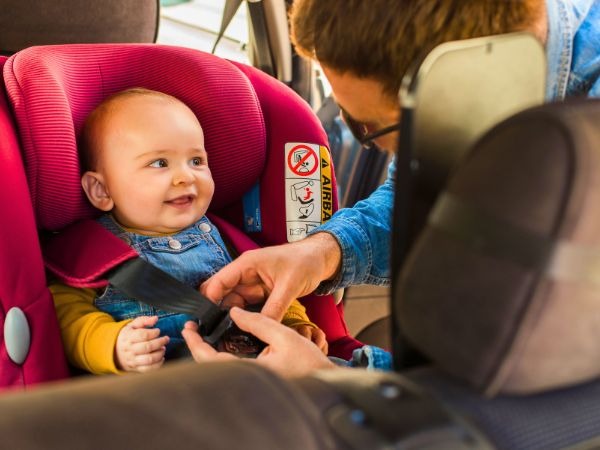
Car seat laws exist to reduce serious injury and death in road accidents. Children’s bodies are still developing, and standard adult seat belts do not fit them correctly. Proper car seats support the head, neck, and spine, and they reduce the risk of injury during sudden stops or collisions.
England follows child safety laws that are among the strictest in Europe. These laws apply to all vehicles, including private cars, taxis in certain situations, and rental vehicles. If you rent a car in the UK, you are responsible for making sure any child travelling with you is seated correctly.
Understanding child car seat laws in England is essential for keeping young passengers safe and avoiding legal penalties. Here’s a breakdown of the key rules and responsibilities for drivers:
Choosing the right car seat for children in England requires understanding both age and height rules. These guidelines ensure safety and help parents make informed decisions when travelling or renting a car.
When renting a car, especially with children, it is important to plan and ensure the correct seat is available for each child.
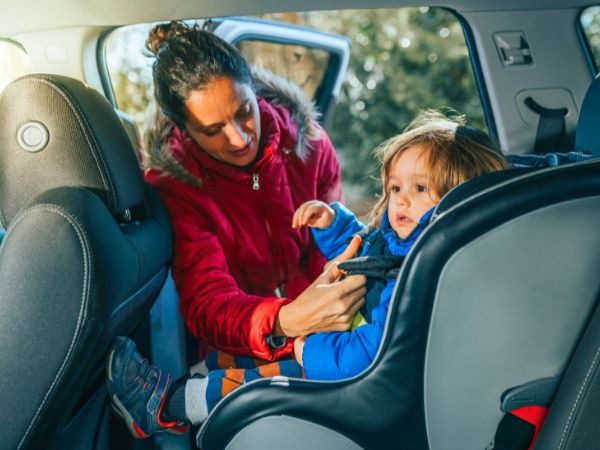
In England, child car seats are generally classified by a child’s height rather than their weight, in line with modern European safety standards. There are different types of seats designed for each stage of a child’s growth. Rear-facing seats are intended for babies and young toddlers. They provide extra support for the head and neck in the event of a collision and are widely regarded as the safest option for young children. Experts often recommend keeping children rear-facing for as long as possible, even beyond the minimum legal requirement.
Once a child outgrows a rear-facing seat, they should move to a forward-facing seat with a harness. These seats have built-in straps to keep the child securely in place. Older children then use booster seats or booster cushions, which raise them so the adult seat belt fits correctly across the shoulder and chest rather than the neck. Selecting the right seat depends on the child’s height, weight, and age, as well as the type of car you are using.
Rear-facing car seats are mandatory for babies and young children up to a certain height. Under current regulations, children must use a rear-facing seat until they are at least 15 months old. However, many safety organisations recommend keeping children rear-facing until they are four years old or longer.
Rear-facing seats provide better protection for the head and spine, especially in frontal collisions. When you rent a car, check whether the vehicle supports rear-facing seat installation, especially if using ISOFIX points.
Booster seats are used for older children who have outgrown harness seats but are still under 135 centimetres tall. The purpose of a booster is to position the seat belt correctly across the child’s body. Booster cushions are allowed in England but only for children who are at least 125 centimetres tall and weigh at least 22 kilograms.
While legal, booster cushions offer less protection than full booster seats with side impact support. Many parents choose full booster seats for added safety. When travelling or hiring a vehicle, it is wise to bring your own booster seat if possible, or confirm availability with your rental car provider.
If you plan to rent a car in the UK, child car seat laws still apply. Rental companies often offer child seats as optional extras, but availability and seat types can vary. It is important to book car seats in advance and confirm that they meet current UK safety standards. Some parents prefer to bring their own car seats to ensure proper fit and familiarity.
If you do this, check airline policies if you are flying, and make sure the seat is compatible with UK vehicles. The driver is legally responsible for ensuring that any child in the rental car is using the correct restraint. Even if the seat is provided by the rental company, you must make sure it is installed correctly.
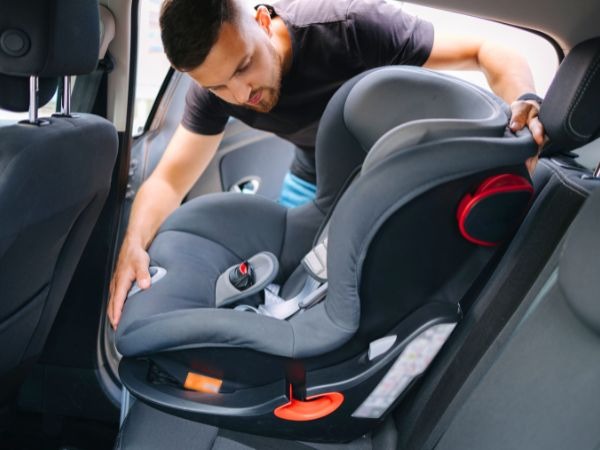
Many modern cars in England are fitted with ISOFIX anchor points. ISOFIX is a system that allows car seats to be attached directly to the car’s frame, reducing the risk of incorrect installation. ISOFIX seats are easy to install and provide a secure fit, making them popular with parents. However, not all rental cars or car seats use ISOFIX. Seat belt-fitted car seats are still common and safe when installed properly. Before you rent a car, it is helpful to ask whether the vehicle includes ISOFIX points, especially if you are bringing your own seat.
There are a few limited exceptions to car seat laws in England. These exceptions are designed for unusual or emergencies and should not be relied on for regular travel. Children can travel without a car seat in taxis or minicabs if the correct seat is not available, but only on an occasional basis.
In these cases, children aged three and above must use an adult seat belt, while children under three may travel unrestrained in the rear seat only. Exceptions may also apply in emergency journeys or if there is no room for a third car seat in the back. These situations are rare, and safety authorities strongly advise using a proper child seat whenever possible.
Not following car seat laws in England can have serious consequences. Drivers can be fined up to £500 if a child is not properly secured, and in some cases, penalty points may be added to their licence. These rules apply whether you are driving your own car or a rental vehicle. Visitors who rent a car are subject to the same laws and fines as residents, and rental companies may also pass on additional charges if any fines are issued during your rental period.
Ensuring your child’s safety in a car goes beyond simply following the law. Taking extra precautions, checking equipment, and using recommended seat types can make a significant difference.
Visitors travelling with children often find UK car seat laws confusing, especially if rules differ in their home country. However, when driving in England, local laws apply regardless of where you hold your driving licence. If you're renting a car, you must comply with child restraint laws. Planning by researching seat options and booking appropriate equipment will make your journey smoother and safer. Tourists should also remember that driving is on the left side of the road in England, which may affect how you install and check car seats, particularly if you are unfamiliar with UK vehicles.
The type of car you choose can affect how easily car seats fit. Larger vehicles often provide more space for rear-facing seats and make installation easier. Saloon cars, estates, and SUVs are popular choices for families. When renting a car, consider how many children you are travelling with and how much luggage you have. Make sure the car has enough rear seat space and ISOFIX points if needed. Choosing the right vehicle improves comfort and safety, especially on longer journeys.
England has a well-developed road network, and families often travel long distances by car. For longer trips, comfort is just as important as safety. Plan regular breaks, bring water and snacks, and ensure children are seated comfortably. Check car seats regularly during the journey to make sure straps remain secure. Keeping children entertained and relaxed can reduce distractions for the driver and make the trip more enjoyable for everyone.

Renting a car in the UK with Final Rentals is one of the most convenient ways to travel around England with children. It lets you move at your own pace, reach destinations not served by public transport, and manage luggage with ease. When renting a car, choose a provider that clearly outlines available child seat options and vehicle features. Booking early ensures availability, especially during school holidays and peak travel seasons, while a reliable service provides peace of mind that your family’s needs are fully supported.
Managing bookings, car details, and additional equipment is easier with digital tools. To simplify your rental experience, remember to download the Final Rentals app on Google Play or the App Store. The app helps you manage your booking, review rental details, and stay organised throughout your trip. Having everything in one place reduces stress and allows you to focus on safe and enjoyable travel with your family.
One common mistake is assuming that age alone determines whether a child needs a car seat. In England, height is just as important. Another mistake is using a seat that is not suitable for the child’s size or is not installed correctly. Parents sometimes rely on exceptions, such as taxi rules, instead of planning. These exceptions should only be used when necessary. Proper preparation ensures safety and avoids legal issues.
Car seat laws in England are designed to protect children and reduce injuries on the road. While the rules may seem strict, they are based on extensive safety research and are easy to follow once understood. Whether you are a parent, a visitor, or planning to rent a car in the UK, knowing and following these laws is essential.
Choosing the right seat, installing it correctly, and using it consistently can make a life-saving difference. By planning, staying informed, and using trusted rental services, you can enjoy safe and stress-free travel across England with your family.