Driving through the United Kingdom gives you the freedom to discover the country at your own pace, from the vibrant energy of London to the calm, scenic charm of the Lake District. Whether you’re travelling for work or leisure, understanding the road rules and knowing what to expect can make your journey smoother and more enjoyable. With the right knowledge and a reliable car rental, you’ll be ready to travel confidently and make the most of your time on the road. Let’s take a closer look at what every driver should know before setting off across the UK.
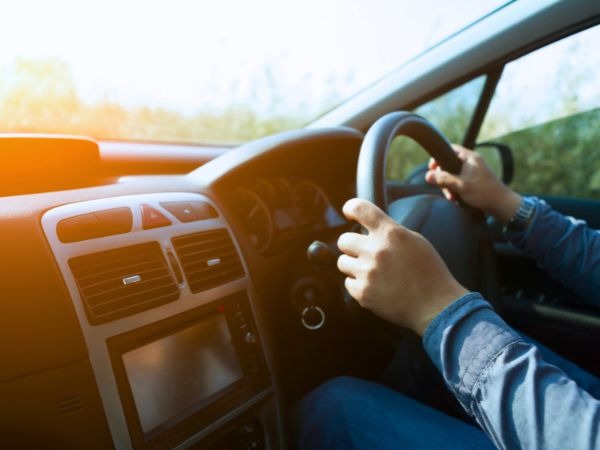
When you sit behind the wheel in the UK, one of the first things to remember is that vehicles drive on the left-hand side of the road. This might feel unfamiliar if you are used to driving on the right. The driver’s seat is on the right side of the car, and you must keep left at all times, especially when navigating junctions or roundabouts. Adjusting to this change takes a little practice, so consider doing a quiet, short drive first if you can.
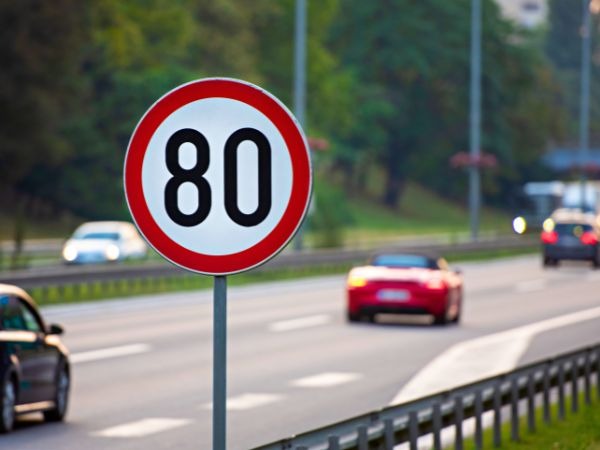
Speed limits are firmly enforced in the UK and vary depending on the type of road and area. On motorways and dual carriageways, you’ll frequently find a limit of 70 mph. On single carriageways, it’s often 60 mph. In built-up urban areas, you’ll see 30 mph or even lower near schools or residential streets. Always check posted signs, as they may change due to roadworks or local regulations.
Seat belts are mandatory for all passengers, whether they are in the front or back of the vehicle. Also, children under a certain height or age must use the correct child car seat or restraint. It’s important to check the requirements and make sure your vehicle is correctly set up before you start driving.
If you’re visiting, your foreign driving licence may be valid for up to 12 months in the UK, depending on your country of origin. It’s worth checking the specific rules before travelling and confirming whether you might need an International Driving Permit.
Understanding road signs and markings is key to driving safely and confidently in the UK. Each type of sign or marking has a specific purpose, helping drivers navigate roads, follow rules, and avoid fines. Learning what they mean before you set off can make your journey smoother and safer.
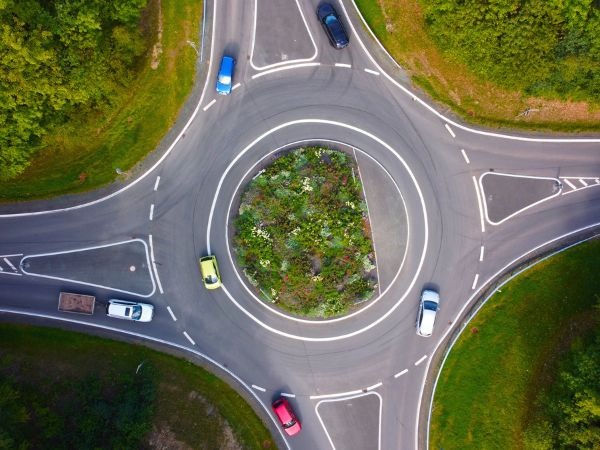
Roundabouts are a feature you will encounter often in the UK, and can be confusing if you have not used them before. The main rule is to approach the roundabout carefully and give way to traffic coming from your right unless signs or road markings say otherwise. When it is safe, enter the roundabout and stay in your lane until it is time to leave.
Be sure to signal your exit so other drivers know your intentions. Roundabouts help traffic flow smoothly and reduce accidents, but they require attention, especially during busy times or when lanes divide. Entering and exiting correctly and signalling clearly will help you stay safe and avoid confusion.
Several practical tips make driving in the UK much more comfortable and safe. First, plan your route ahead of time using a GPS or a map. In rural areas, especially, roads can be narrow, winding, and not well-lit, so knowing your way helps. Pay attention to weather conditions too, as the UK is known for changeable weather, such as rain, fog, ice, or even sudden bright sun after rain, which can all affect visibility and the road surface. When weather conditions are poor, reduce your speed, keep a safe distance from the vehicle ahead, and use your dipped headlights.
Parking can be a challenge, especially in towns and cities. Many areas have Pay and Display machines, permit zones, or restricted hours. Avoid parking on double yellow lines, in yellow box junctions, or in spaces reserved for residents unless you comply with the signage. Fuel is labelled as petrol in the UK (not gasoline), and you will find plenty of fuel stations in towns and on motorways, but always check whether you need petrol or diesel for your car.
If you plan to drive at night, remember that outside towns, some roads may not have thorough street lighting, so use dipped headlights and stay alert for pedestrians, animals, or cyclists. It is also wise to take breaks during longer trips and keep some water and snacks in the car in case you are delayed.
Even experienced drivers can make mistakes when navigating the roads in the UK. Being aware of the most common errors can help you avoid fines, accidents, and unnecessary stress during your journey. Here are some of the most frequent mistakes and how to prevent them.
One of the best parts of driving in the UK is the opportunity to explore at your own pace. If you are planning a city break, driving in the centre of a major city like London can be tricky due to congestion, parking costs, and low-emission zones. It is often better to use the car for outer areas and public transport for central sightseeing. In more scenic regions such as the Highlands of Scotland, the Lake District, Cornwall, or the Cotswolds, having a car really pays off. It gives you the flexibility to stop at lesser-known spots, small villages, and natural features that trains or buses may not reach easily.
A road trip through the UK might take you from coastal roads to countryside lanes, each with its own character and challenges. Smaller roads may require you to give way to oncoming vehicles or pull into passing places. The beauty of the journey is that you have the freedom to explore, along with the responsibility to make safe choices. If you are planning to explore London and beyond, check out Explore the Top 10 Best Destinations in London Every Traveller Will Love for inspiration on must-see locations to add to your itinerary.
Driving in the UK requires following strict laws that are carefully enforced to keep everyone safe. One of the most important rules is the legal alcohol limit. In England, Wales, and Northern Ireland, the limit is 80 mg of alcohol per 100 ml of blood, while in Scotland, it is lower. Because enforcement is strict, the safest choice is not to drink at all if you are driving.
Using a hand-held mobile phone while driving is illegal. You can only use a phone hands-free if it does not distract you and you can operate it safely. Insurance is also mandatory before driving any vehicle. Driving without insurance can lead to large fines, penalty points, or even a driving ban. All passengers must wear seat belts, and drivers can be fined if anyone isn’t buckled up. When renting a car, check that your insurance covers you fully and review any age or young driver restrictions. Following these rules keeps you safe and prevents costly penalties.

Renting a car is one of the easiest ways to travel freely and explore everything from vibrant cities to peaceful countryside routes. With Final Rentals, the process is simple, flexible, and reliable, helping travellers enjoy a stress-free journey from start to finish. Here’s what makes renting with Final Rentals a great choice:
For more guidance on making the most of your car hire experience, explore Essential Tips Every First-Time Traveller Needs for Renting a Car in the UK for helpful advice before you book.
Driving in the UK is a rewarding way to explore everything from lively cities to peaceful countryside. Stay alert, follow road rules, drive on the left, watch your speed, and signal clearly to keep your journey smooth and safe. Avoid common mistakes like missing give-way signs, using the wrong lane, or parking where restrictions apply. For a hassle-free experience, rent a car in the UK with Final Rentals and enjoy reliable vehicles, flexible options, and the freedom to travel wherever your adventure takes you.